

The Future of EV Charging Is Not Just About Chargers. It's About the Network Behind Them.
As electric vehicles gradually find their place on Philippine roads, the next challenge for the industry may not simply be building more charging stations, but connecting them into a smarter, more accessible network.
Electric vehicles are changing the way people think about transportation.
What was once considered an expensive alternative for technology enthusiasts is gradually becoming part of a much bigger conversation about mobility, energy, business, and the future of transportation in the Philippines.
From private vehicle owners to commercial fleets, shopping centers, hotels, and property developers, more businesses are beginning to recognize the opportunities surrounding electric mobility.
But as the number of electric vehicles grows, an important question follows:
Where will everyone charge?
It sounds like a straightforward question. In reality, answering it requires much more than installing charging equipment.
The growth of electric mobility depends on an entire ecosystem — one that connects charging stations, property owners, businesses, technology providers, and EV drivers through a reliable and accessible network.
And this is where the next phase of the EV industry becomes particularly interesting.
Beyond the charging station
For many people, EV charging begins and ends with the physical charger. A vehicle arrives, connects to the equipment, and waits until its battery is sufficiently charged.
But behind that seemingly simple experience is a more complicated operation.
Charging station owners need to monitor equipment performance, manage users, track transactions, establish charging rates, and understand how their facilities are being utilized.
For drivers, the experience should be equally straightforward. They need to locate available charging stations, understand their charging options, initiate a session, and complete payments without unnecessary complications.
These different requirements point to a bigger opportunity: the development of interconnected charging networks.
Instead of treating every charging station as an independent facility, technology can bring them together through a centralized platform.
This allows charging infrastructure to become more than a collection of machines. It becomes part of a connected mobility service.
An emerging business opportunity
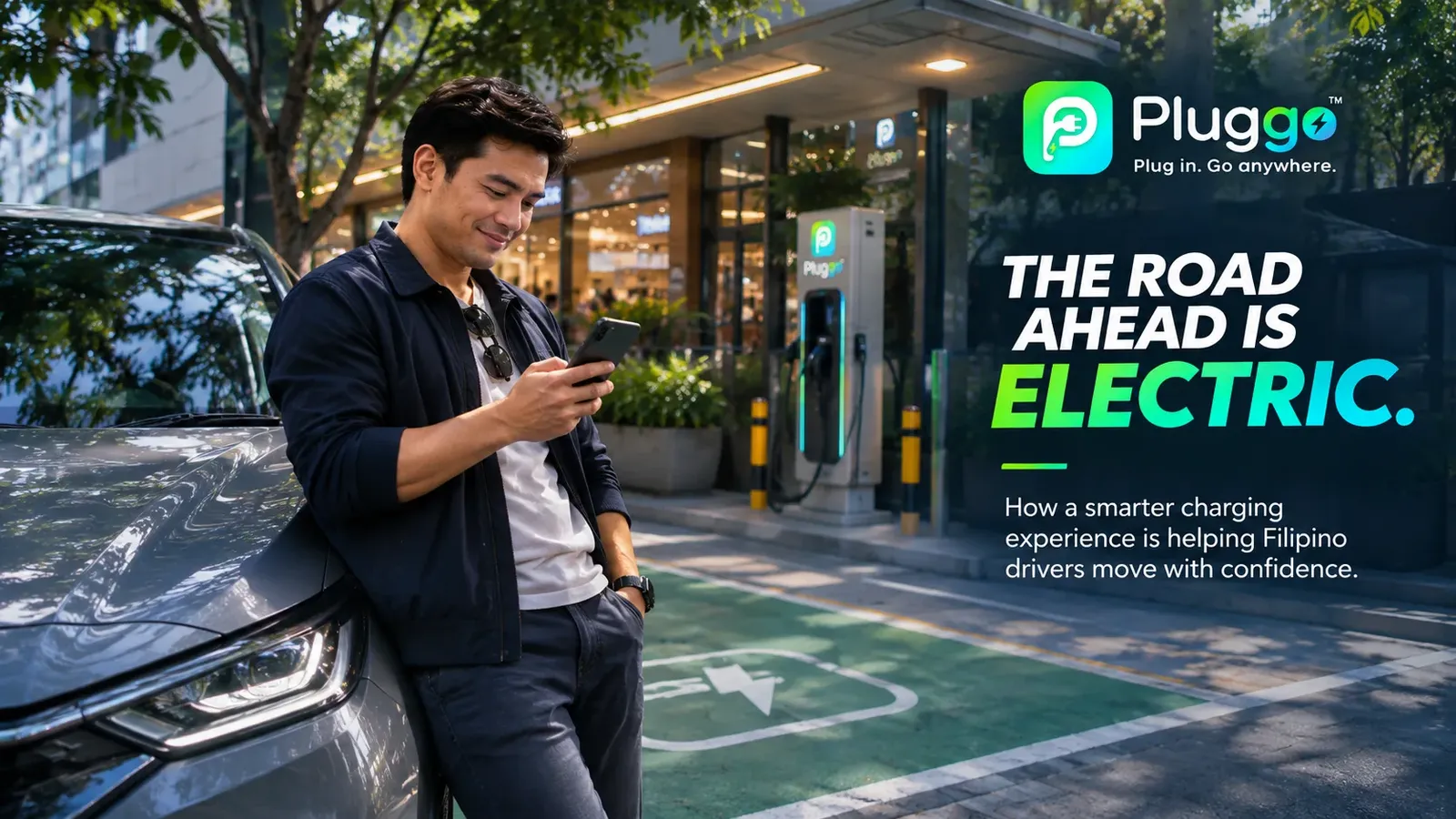
The expansion of EV charging also presents an interesting opportunity for businesses outside the traditional automotive industry.
Shopping malls, hotels, restaurants, office buildings, commercial establishments, and property developers may all have something valuable to contribute: locations where people naturally spend time.
A charging station can become an additional service for customers, employees, tenants, and visitors.
For property owners, it also introduces another consideration in managing and developing their facilities.
However, owning charging equipment is only one part of the equation. Operating it efficiently, managing transactions, monitoring performance, and maintaining a consistent customer experience require the right technology.
This is one reason charging management platforms are becoming increasingly relevant in the global EV industry.
They provide the digital infrastructure that connects the physical charging equipment with the people and businesses using it.
The technology behind every charge
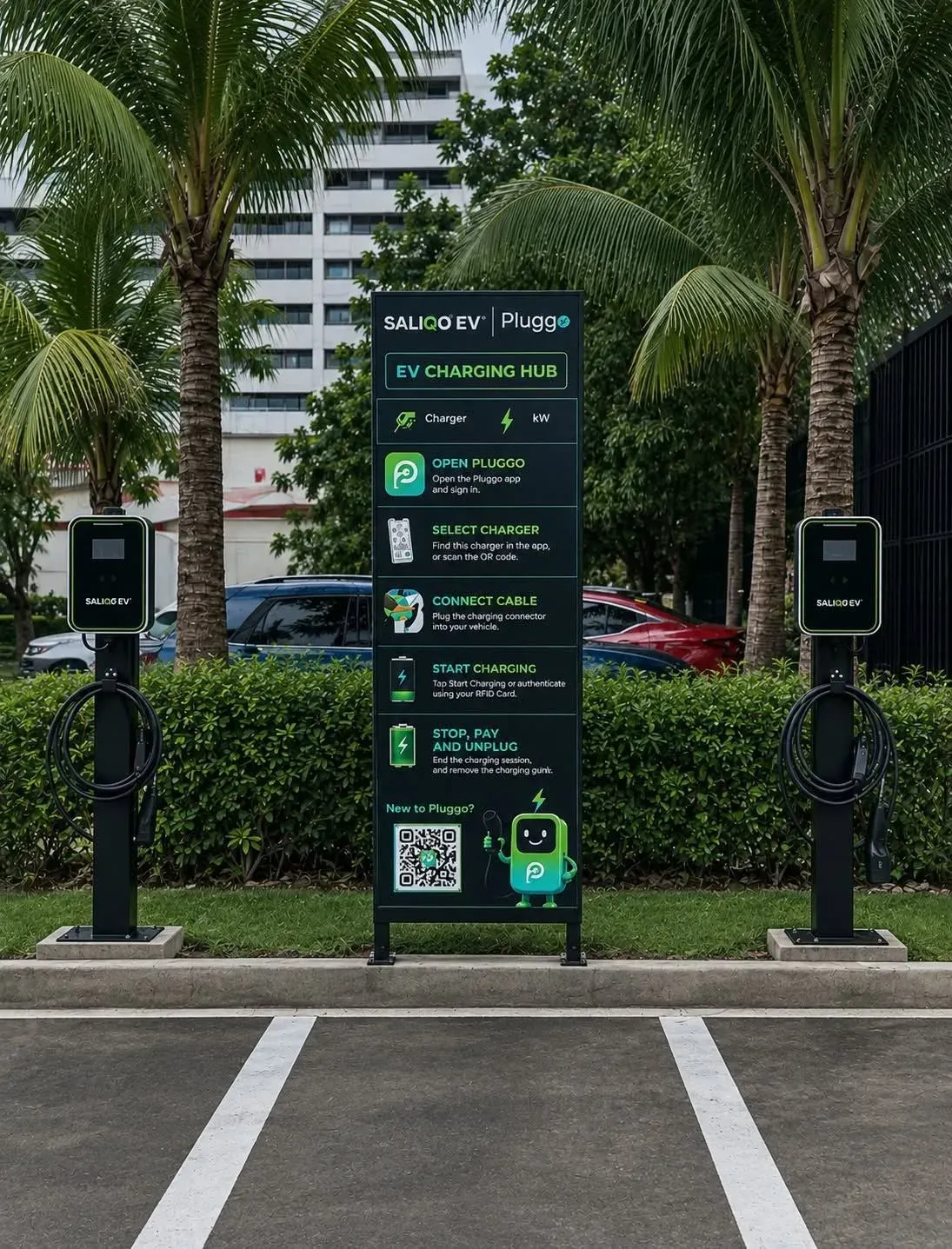
In the Philippines, Pluggo.ph is positioning itself around this developing opportunity.
Rather than focusing exclusively on the installation of charging equipment, Pluggo approaches EV charging as a connected business and mobility ecosystem.
Its platform is designed to bring together EV drivers, charging station operators, and businesses through digital tools that support charging operations and network management.
For operators, this means having access to tools for monitoring charging stations, managing multiple locations, overseeing transactions, and understanding station performance through operational and revenue analytics.
The platform also supports OCPP-based charger connectivity, allowing compatible charging equipment to communicate with the management system.
For EV drivers, the broader vision is a more connected charging experience — making it easier to discover charging locations and access participating charging services.
The idea is straightforward: make the technology behind charging work more efficiently for everyone involved.
A network built through partnerships
One of the more interesting developments in the charging industry is that its expansion does not necessarily have to depend on a single company owning every charging station.
Independent businesses and property owners can participate in building the network.
A commercial establishment, for example, may have the space and customer traffic needed to host charging facilities. An independent operator may have the resources to establish a charging location. Technology platforms can provide the digital infrastructure that connects these facilities to a wider network.
This creates opportunities for collaboration rather than requiring every participant to build an entire charging ecosystem independently.
Pluggo's approach reflects this model, combining its own charging operations with partnerships involving independent charging station operators.
It is a business model that recognizes an important reality: the future of EV infrastructure will likely involve multiple players working within an interconnected system.
The bigger picture: Making electric mobility more accessible
The development of EV charging infrastructure is not simply a matter of keeping electric vehicles powered.
It is also about building the confidence necessary for people and businesses to embrace a different approach to transportation.
Drivers need accessible charging options. Businesses need sustainable operating models. Property owners need practical reasons to invest in infrastructure. Operators need technology that helps them manage their facilities.
All these considerations are connected.
As the Philippine EV market develops, the companies that help bridge these different needs could play an important role in shaping the industry's direction.
The next major development in electric mobility may not necessarily be a faster charger or a more powerful battery.
It could be the network that makes charging more accessible, manageable, and commercially viable.
Because ultimately, the future of electric mobility will not be determined by how many charging stations are installed.
It will also depend on how well they work together.