

ASEAN's electric mobility ambitions gain momentum as Philippine EV group joins China forum
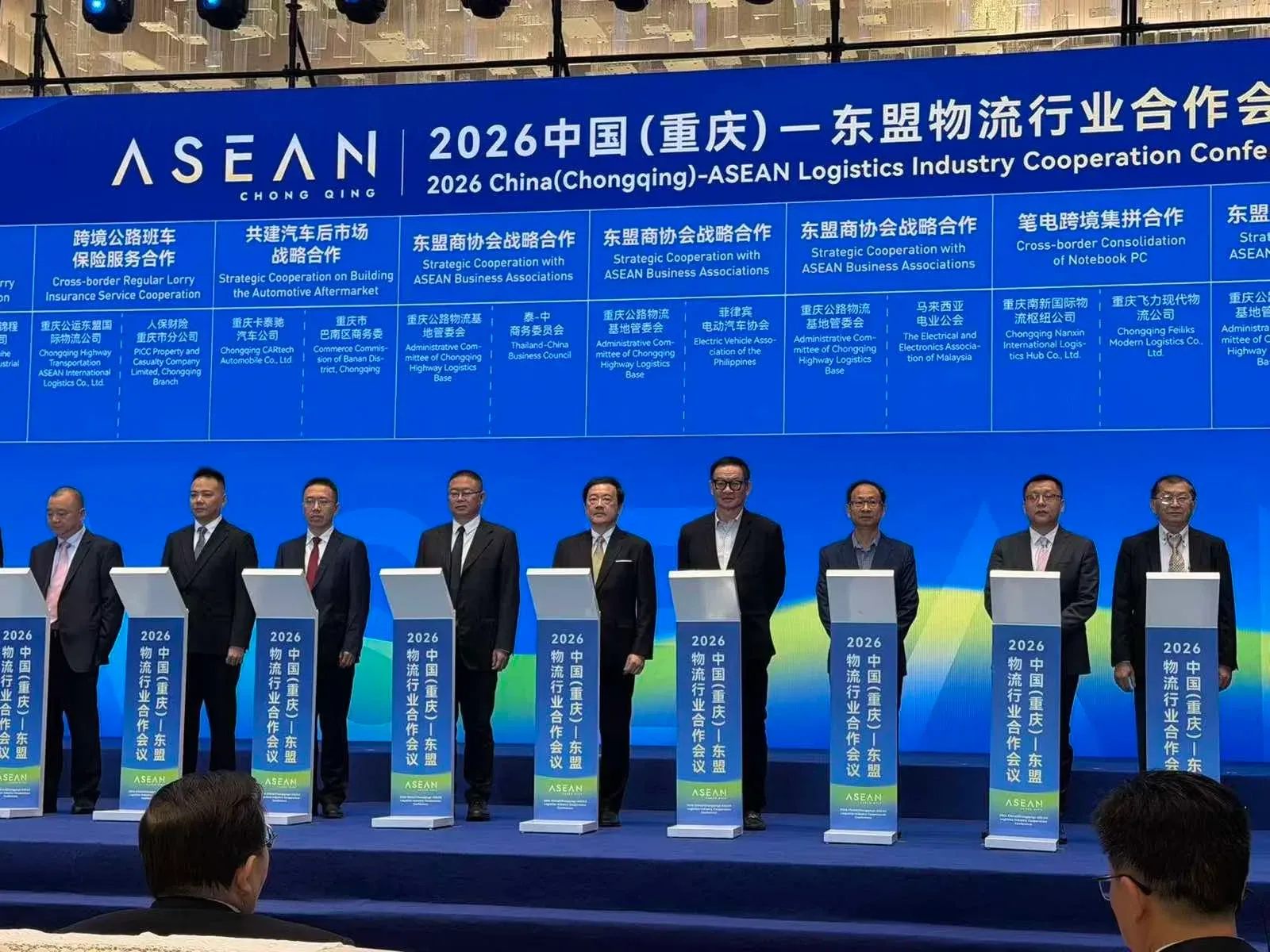
CHONGQING, China — The Philippines has brought its electric vehicle industry into the regional conversation as the Electric Vehicle Association of the Philippines (EVAP) participated in the China (Chongqing)–ASEAN Logistics Industry Cooperation Conference, an international gathering focused on strengthening trade, logistics, and regional connectivity.
Representing the Philippine EV sector, EVAP joined discussions alongside the Asian Federation of Electric Vehicle Associations (AFEVA), highlighting the growing role of electric mobility in the future of ASEAN's transportation and logistics industries.
The annual conference, held in Chongqing, China, brought together industry stakeholders and regional representatives to explore opportunities for cooperation, particularly in smart logistics, technological development, and cross-border connectivity.
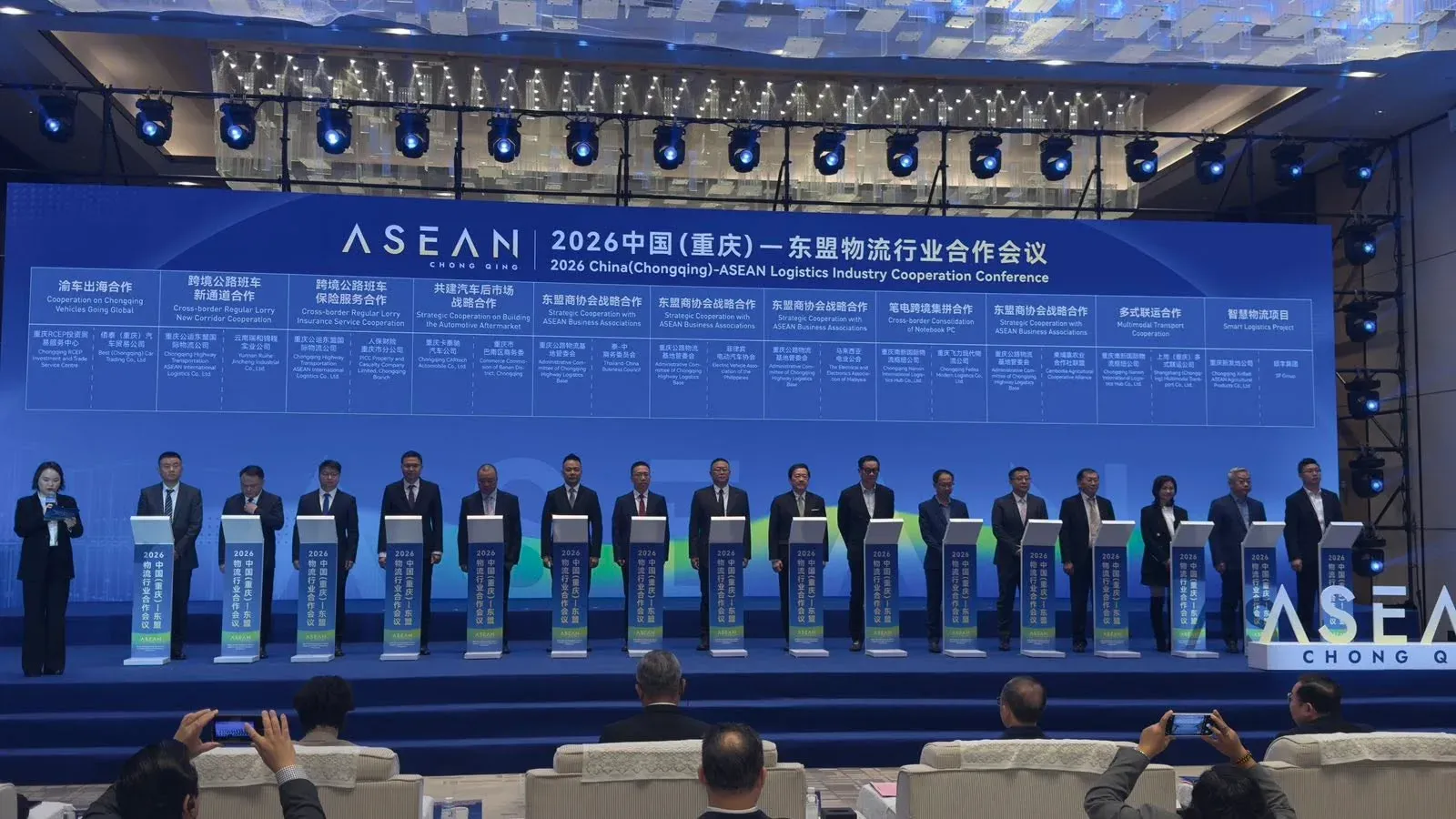
Electric mobility emerged as an important part of the discussions, reflecting how the transition toward cleaner transportation is becoming increasingly connected to broader economic and infrastructure development.
For the Philippines, participation in the gathering provides an opportunity to engage with regional industry organizations, exchange perspectives, and explore potential areas of cooperation as the country's electric vehicle market continues to develop.
The discussions also underscore the importance of collaboration among EV associations, technology providers, businesses, and policymakers in building the infrastructure and industry networks needed to support electric mobility.
Beyond the vehicles themselves, the development of the EV sector involves charging infrastructure, battery technology, logistics systems, energy management, and the digital platforms that connect these services.
These areas present opportunities for regional partnerships, particularly as ASEAN economies work toward more integrated and technology-driven transportation systems.
The participation of EVAP and AFEVA also highlights the importance of giving the Philippine EV industry a voice in regional conversations that could influence the direction of electric mobility across Southeast Asia.
As the industry evolves, stronger cooperation between ASEAN members and China could help open discussions on technology exchange, investment, supply chains, and infrastructure development.
For the Philippines, the challenge will be translating regional engagement into practical opportunities that can support local businesses, expand charging networks, and make electric mobility more accessible.
The future of electric transportation will not be shaped by individual markets alone. Increasingly, it will depend on how countries, industries, and technology providers work together to build a connected regional ecosystem.